Skip to content
RxLineup home
RxLineup home

FDA-approved · Off-label use

Rapamycin (sirolimus): uses, dosing, side effects and where to get it

An immunosuppressant used after kidney transplants that blocks mTOR, a growth-signaling pathway. It extends lifespan in mice; in people, a year-long trial found low weekly doses relatively safe but showed no change in its main outcome.

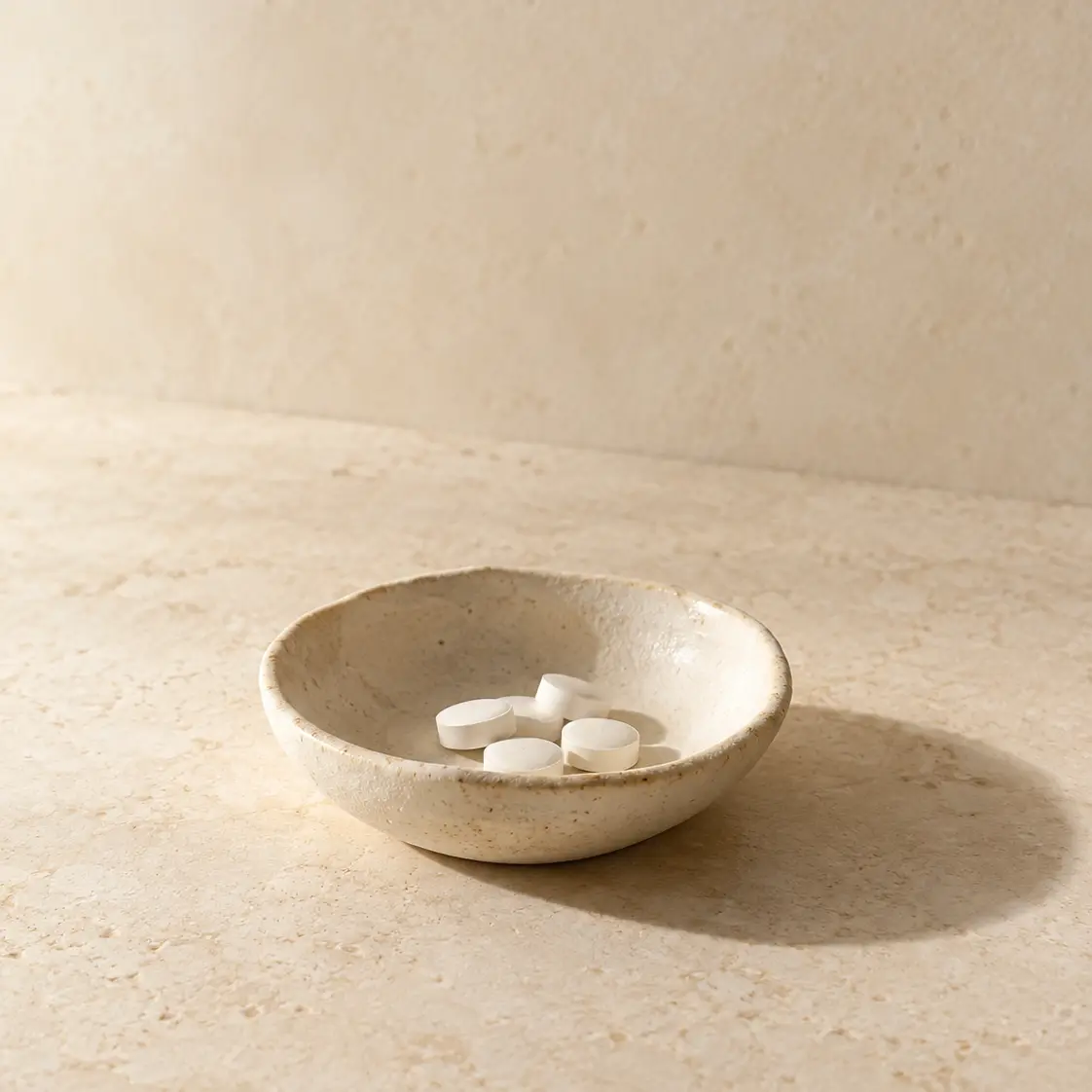
White tablets in a small ceramic dish on warm limestone

By the RxLineup editorial team · Fact-checked against provider sites and FDA labels · Updated

· How we rate

Advertiser disclosure

RxLineup earns a fee when you click a link to a provider and complete a qualifying step. Only providers that pay us appear in our rankings and reviews. Our guides also name providers that don’t pay us, so you can see the whole market.

We don’t cover every program on the market. Prices change often, so confirm the details with the provider before you enroll.

We’re paid when you sign up with a provider through our links. We also name providers that don’t pay us, so you can see the whole market. How we make money

Active ingredient
Sirolimus
Made by
Rapamune (Pfizer) and generic manufacturers; compounding pharmacies
Form
Tablet (generic) or compounded capsule
Price online
Prices vary by clinic.

Safety

Boxed warning: immunosuppression. Increased susceptibility to infection and the possible development of lymphoma may result from immunosuppression (the label also warns against use in liver or lung transplant patients). The label warns about high cholesterol and triglycerides, slow wound healing, fluid build-up, lung inflammation, protein in the urine, skin cancer, reduced male fertility and harm in pregnancy, and says to avoid live vaccines. Strong CYP3A4 inhibitors and inducers (including some antibiotics and antifungals) and grapefruit juice change its blood levels. Mouth sores are common.

Talk to a licensed clinician about your health history and every medication you take before you start.

Prescription only; FDA-approved. Sirolimus is FDA-approved and sold as a generic, so a clinician may prescribe it off-label for longevity. Compounded rapamycin is not FDA-approved, and one clinic reports it is roughly a third as bioavailable per milligram as commercial tablets, so the two aren’t interchangeable mg for mg.

What Rapamycin (sirolimus) is

Rapamycin (sirolimus) contains sirolimus, made by Rapamune (Pfizer) and generic manufacturers. Other sirolimus products are approved for a rare tumor (Fyarro) and facial angiofibroma in tuberous sclerosis (Hyftor gel). Prescribing it for longevity is off-label.

FDA-approved for

  • Preventing organ rejection in kidney transplant patients 13 and older
  • Lymphangioleiomyomatosis (LAM), a rare lung disease

Dosing

Tablet (generic) or compounded capsule, longevity clinics usually prescribe it once a week; the transplant dose on the label is daily. Set by your prescriber. The PEARL trial tested 5 mg or 10 mg of compounded rapamycin once a week, which its authors equate to about 1.43 mg or 2.86 mg of generic rapamycin.

How well it works

In mice, rapamycin started late in life extended lifespan by 14% in females and 9% in males, measured at 90% mortality (Harrison 2009). In people, the 48-week PEARL trial found weekly low-dose rapamycin relatively safe but did not change its main outcome, visceral fat; women on 10 mg gained lean mass and reported less pain. Six weeks of the related drug everolimus improved flu vaccine response by about 20% in older adults (Mannick 2014). No human trial has shown rapamycin extends lifespan. Individual results vary.

Rapamycin (sirolimus) cost

Prices vary by clinic. For the steps, read How to get a rapamycin prescription online.

Questions, answered

How much does Rapamycin (sirolimus) cost online?

Prices vary by clinic.

Is Rapamycin (sirolimus) FDA-approved?

Yes. Rapamycin (sirolimus) is FDA-approved for preventing organ rejection in kidney transplant patients 13 and older; lymphangioleiomyomatosis (LAM), a rare lung disease. Providers may prescribe it off-label for other uses.

How do you take Rapamycin (sirolimus)?

Tablet (generic) or compounded capsule, longevity clinics usually prescribe it once a week; the transplant dose on the label is daily. Set by your prescriber. The PEARL trial tested 5 mg or 10 mg of compounded rapamycin once a week, which its authors equate to about 1.43 mg or 2.86 mg of generic rapamycin.

What are the risks of Rapamycin (sirolimus)?

Boxed warning: immunosuppression. Increased susceptibility to infection and the possible development of lymphoma may result from immunosuppression (the label also warns against use in liver or lung transplant patients). The label warns about high cholesterol and triglycerides, slow wound healing, fluid build-up, lung inflammation, protein in the urine, skin cancer, reduced male fertility and harm in pregnancy, and says to avoid live vaccines. Strong CYP3A4 inhibitors and inducers (including some antibiotics and antifungals) and grapefruit juice change its blood levels. Mouth sores are common.

Can I get Rapamycin (sirolimus) online?

A licensed clinician can prescribe Rapamycin (sirolimus) after an online or in-person visit.

Sources

  1. Sirolimus tablets prescribing information (DailyMed)
  2. Drugs@FDA: Rapamune, NDA 021083
  3. Harrison et al. 2009: rapamycin fed late in life extends lifespan in mice (Nature)
  4. Moel et al. 2025: PEARL trial results after one year (Aging)
  5. Harinath et al. 2024: PEARL preprint with generic-equivalent doses (medRxiv)
  6. Mannick et al. 2014: mTOR inhibition improves immune function in the elderly (Science Translational Medicine)
  7. AgelessRx: rapamycin, compounded vs generic (read Oct 18, 2026)