Skip to content
RxLineup home
RxLineup home

Compounded · Not FDA-approved

Sermorelin: uses, dosing, side effects and where to get it

A lab-made copy of the first 29 amino acids of growth hormone-releasing hormone, which prompts the pituitary to release growth hormone. Once sold as Geref for children; now compounded and prescribed off-label to adults, with small, short trials and no evidence that it slows aging.

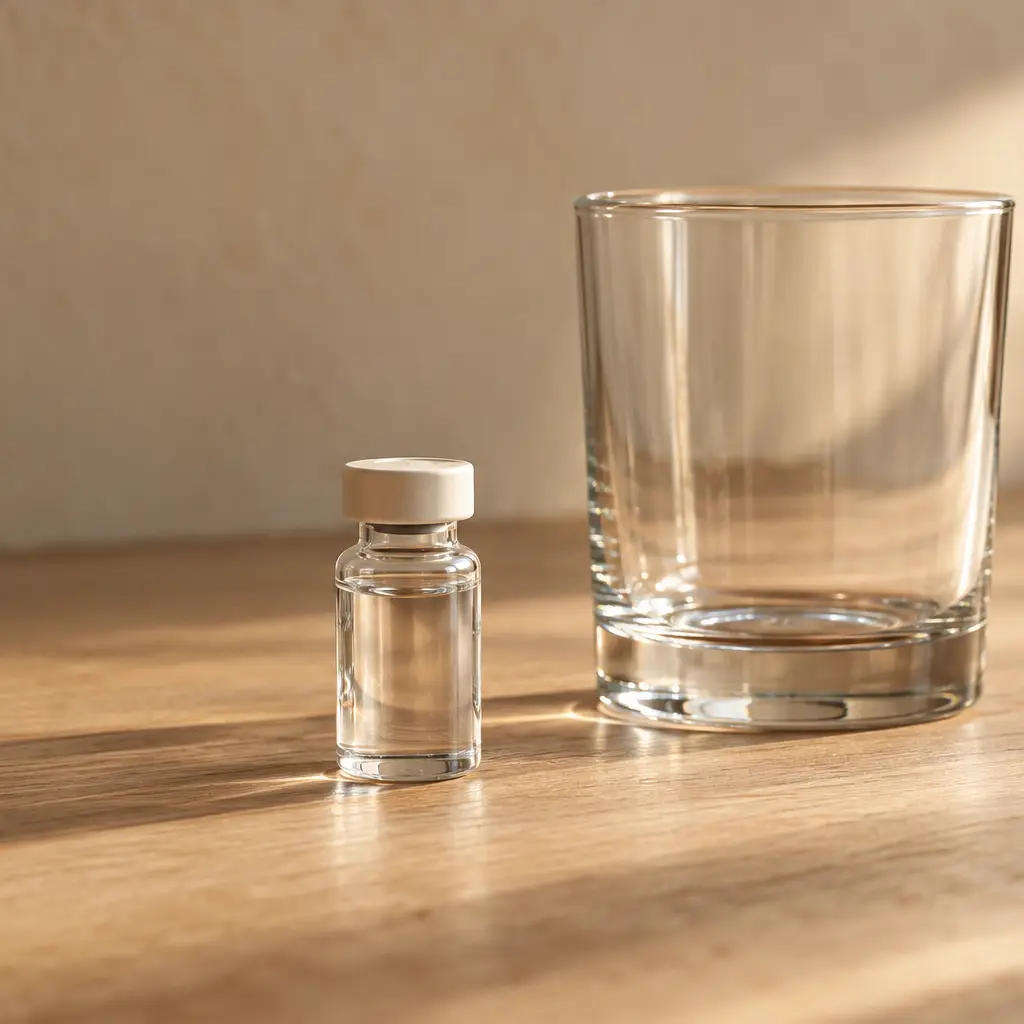
Small glass vial beside a glass of water

By the RxLineup editorial team · Fact-checked against provider sites and FDA labels · Updated

· How we rate

Advertiser disclosure

RxLineup earns a fee when you click a link to a provider and complete a qualifying step. Only providers that pay us appear in our rankings and reviews. Our guides also name providers that don’t pay us, so you can see the whole market.

We don’t cover every program on the market. Prices change often, so confirm the details with the provider before you enroll.

We’re paid when you sign up with a provider through our links. We also name providers that don’t pay us, so you can see the whole market. How we make money

Active ingredient
Sermorelin acetate (growth hormone-releasing hormone 1-29)
Made by
State-licensed compounding pharmacies (the approved brand, Geref, was discontinued in 2008)
Form
Subcutaneous injection; also nasal spray, troche, lozenge or under-the-tongue tablet
Price online
Prices vary by clinic.

Safety

Compounded sermorelin isn’t FDA-reviewed for safety, effectiveness or quality, and its old Geref labeling covered children, not adults using it for aging. The small trials above reported no significant adverse effects over 6 to 16 weeks. Clinics list pain, redness or swelling where you inject, nausea, headache, dizziness and fatigue. Tell your prescriber about every condition and medicine you have, since sermorelin raises growth hormone and IGF-1.

Prescription only; the ingredient has an FDA-approved form, but compounded versions are not FDA-approved. Sermorelin is prepared by a compounding pharmacy for an individual prescription. Compounded products are not FDA-approved, and the FDA does not review them for safety, effectiveness or quality. Sermorelin was the active ingredient of an FDA-approved drug (Geref) discontinued for reasons other than safety, so a 503A pharmacy may compound it for an individual prescription. No approved sermorelin is on the market, its use for aging is off-label, and it is not a controlled substance.

What sermorelin is

FDA determined in 2013 that Geref was not withdrawn from sale for reasons of safety or effectiveness. Prescribing sermorelin to adults for aging is off-label.

What the FDA has approved

  • Geref injection was approved in 1997 to treat idiopathic growth hormone deficiency in children with growth failure, and in 1990 to test how well the pituitary releases growth hormone
  • Both Geref products were discontinued in 2008; no approved sermorelin is sold today

Dosing

Usually a nightly injection; your prescriber sets the schedule. Products we checked include 9 mg and 12.5 mg vials at 2.5 mg/mL, 200 mcg nasal sprays and 300 to 1,000 mcg troches. Trials in older adults used 2 mg or 10 mcg/kg nightly.

How well it works

Trials are small and short. In 11 men aged 64 to 76, 2 mg nightly for 6 weeks raised growth hormone release and improved 2 of 6 strength measures but did not change IGF-1, muscle or fat (Vittone 1997). In 19 adults aged 55 to 71, 16 weeks of a nightly sermorelin analogue raised growth hormone and IGF-1 (Khorram 1997). No trial has tested sermorelin for aging outcomes or lifespan. Individual results vary.

Sermorelin cost

Prices vary by clinic. For a full breakdown, read How much does sermorelin cost?.

Questions, answered

How much does sermorelin cost online?

Prices vary by clinic.

Is sermorelin FDA-approved?

No. Sermorelin is compounded: a compounding pharmacy prepares it for an individual prescription, and it isn’t FDA-approved. Sermorelin was the active ingredient of an FDA-approved drug (Geref) discontinued for reasons other than safety, so a 503A pharmacy may compound it for an individual prescription. No approved sermorelin is on the market, its use for aging is off-label, and it is not a controlled substance.

How do you take sermorelin?

Usually a nightly injection; your prescriber sets the schedule. Products we checked include 9 mg and 12.5 mg vials at 2.5 mg/mL, 200 mcg nasal sprays and 300 to 1,000 mcg troches. Trials in older adults used 2 mg or 10 mcg/kg nightly.

What are the risks of sermorelin?

Compounded sermorelin isn’t FDA-reviewed for safety, effectiveness or quality, and its old Geref labeling covered children, not adults using it for aging. The small trials above reported no significant adverse effects over 6 to 16 weeks. Clinics list pain, redness or swelling where you inject, nausea, headache, dizziness and fatigue. Tell your prescriber about every condition and medicine you have, since sermorelin raises growth hormone and IGF-1.

Can I get sermorelin online?

A licensed clinician can prescribe sermorelin after an online or in-person visit.

Sources

  1. Federal Register: Geref (sermorelin acetate) not withdrawn for safety or effectiveness (Mar 4, 2013)
  2. Drugs@FDA: Geref, NDA 020443
  3. Vittone et al. 1997: nightly GHRH(1-29) in healthy elderly men (Metabolism)
  4. Khorram et al. 1997: GHRH analogue in age-advanced men and women (J Clin Endocrinol Metab)
  5. FDA: bulk drug substances used in compounding under section 503A (Category 1 list updated May 14, 2026)
  6. FDA: what telehealth companies should know when promoting compounded drugs (Jun 15, 2026)
  7. DEA: controlled substances, alphabetical order (Aug 27, 2026)