Skip to content
RxLineup home
RxLineup home

Compounded · Not FDA-approved

Custom compounded cream: uses, dosing, side effects and where to get it

A prescription cream a pharmacy mixes for you, usually tretinoin plus up to three other actives. Convenient and often cheap, but not FDA-approved.

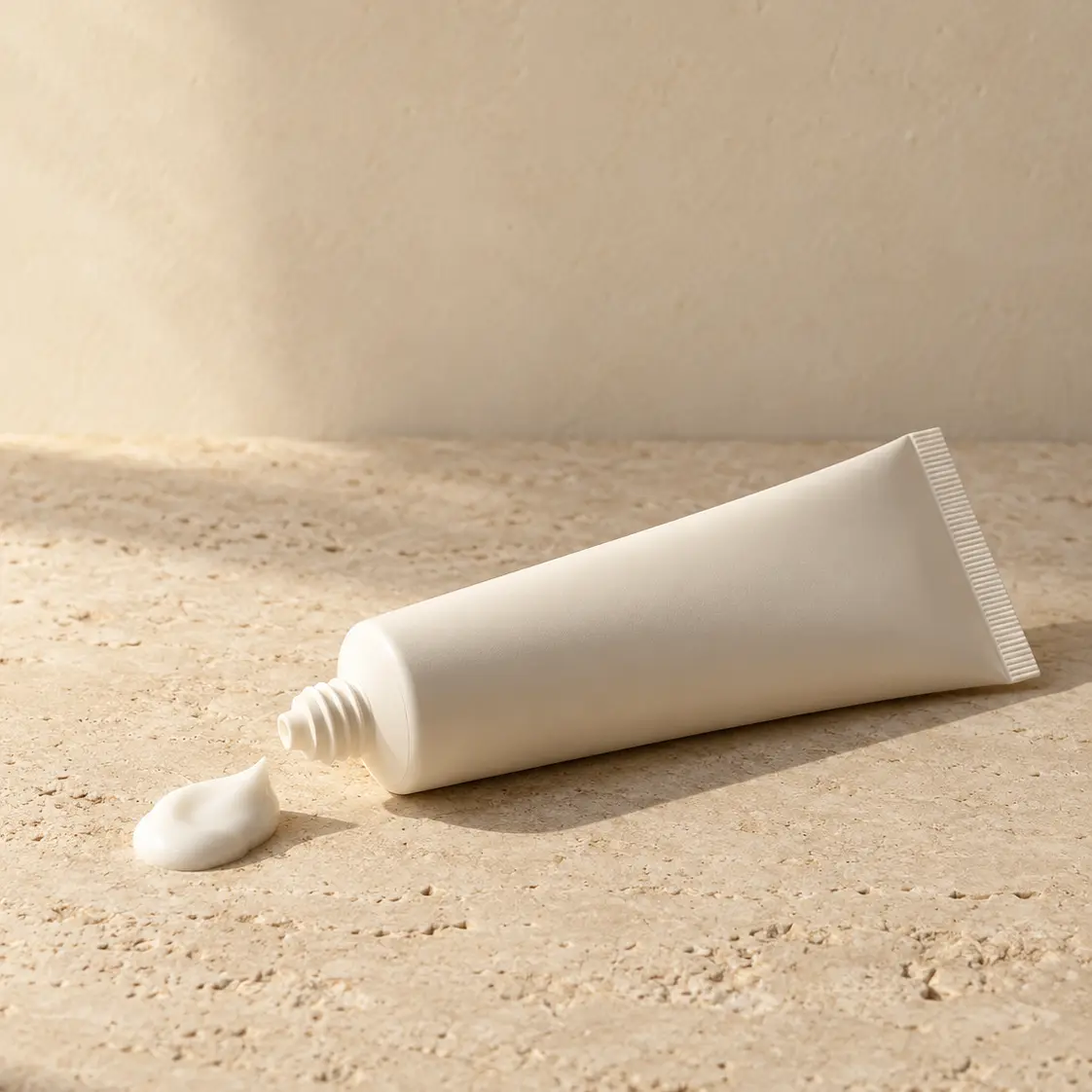
Off-white tube of cream with a small dab beside it on warm limestone

By the RxLineup editorial team · Fact-checked against provider sites and FDA labels · Updated

· How we rate

Advertiser disclosure

RxLineup earns a fee when you click a link to a provider and complete a qualifying step. Only providers that pay us appear in our rankings and reviews. Our guides also name providers that don’t pay us, so you can see the whole market.

We don’t cover every program on the market. Prices change often, so confirm the details with the provider before you enroll.

We’re paid when you sign up with a provider through our links. We also name providers that don’t pay us, so you can see the whole market. How we make money

Active ingredient
Tretinoin or estriol mixed with actives such as niacinamide, azelaic acid and clindamycin
Made by
Compounding pharmacies
Form
Cream, mixed by a compounding pharmacy for your prescription
Price online
None of the online providers we compare publishes a monthly price for it.

Safety

Each ingredient keeps its own warnings. Tretinoin is usually avoided in pregnancy and makes skin sun-sensitive. Clindamycin labels warn of severe diarrhea and colitis, and using an antibiotic alone for a long time can encourage resistant bacteria. Estriol is an estrogen with no approved US label or safety data, and the uterine-lining risk of estrogen without a progestogen applies. The strength of a compounded cream is not checked by the FDA.

Talk to a licensed clinician about your health history and every medication you take before you start.

Prescription only; compounded and not FDA-approved. Custom compounded cream is prepared by a compounding pharmacy for an individual prescription. Compounded products are not FDA-approved, and the FDA does not review them for safety, effectiveness or quality. Lawful when a 503A pharmacy compounds it for you on a valid prescription, from ingredients that are USP-grade or parts of approved drugs. It is not FDA-approved, must not copy an approved combination, and estriol is not in any FDA-approved US drug.

What custom compounded cream is

Custom compounded cream contains tretinoin or estriol mixed with actives such as niacinamide, azelaic acid and clindamycin. No custom formula is FDA-approved. Some combinations are approved as fixed products, such as clindamycin 1.2% with tretinoin 0.025% gel, and a compounded cream must not copy them.

Dosing

Cream, mixed by a compounding pharmacy for your prescription, usually once a day at night, as prescribed. In the formulas we track: tretinoin 0.025% to 0.1%, niacinamide up to 4%, azelaic acid 5% to 20% and clindamycin 1% to 1.25%. Anti-aging creams from menopause providers may use estriol instead of, or alongside, tretinoin. Your clinician sets the dose for you.

How well it works

No custom formula has its own clinical trial, and the FDA does not review compounded drugs for safety, effectiveness or quality. The evidence comes from the approved single ingredients: tretinoin and clindamycin for acne, and azelaic acid for acne and rosacea. Individual results vary.

Custom compounded cream cost

None of the online providers we compare publishes a monthly price for it. For a full breakdown, read How much does tretinoin cost without insurance?. For the steps, read How to get a tretinoin prescription online.

Questions, answered

How much does custom compounded cream cost online?

None of the online providers we compare publishes a monthly price for it.

Is custom compounded cream FDA-approved?

No. Custom compounded cream is compounded: a compounding pharmacy prepares it for an individual prescription, and it isn’t FDA-approved. Lawful when a 503A pharmacy compounds it for you on a valid prescription, from ingredients that are USP-grade or parts of approved drugs. It is not FDA-approved, must not copy an approved combination, and estriol is not in any FDA-approved US drug.

How do you take custom compounded cream?

Cream, mixed by a compounding pharmacy for your prescription, usually once a day at night, as prescribed. In the formulas we track: tretinoin 0.025% to 0.1%, niacinamide up to 4%, azelaic acid 5% to 20% and clindamycin 1% to 1.25%. Anti-aging creams from menopause providers may use estriol instead of, or alongside, tretinoin.

What are the risks of custom compounded cream?

Each ingredient keeps its own warnings. Tretinoin is usually avoided in pregnancy and makes skin sun-sensitive. Clindamycin labels warn of severe diarrhea and colitis, and using an antibiotic alone for a long time can encourage resistant bacteria. Estriol is an estrogen with no approved US label or safety data, and the uterine-lining risk of estrogen without a progestogen applies. The strength of a compounded cream is not checked by the FDA.

Can I get custom compounded cream online?

A licensed clinician can prescribe custom compounded cream after an online or in-person visit.

Sources

  1. FDA: what telehealth companies should know when promoting compounded drugs (Jun 15, 2026)
  2. FDA guidance: compounded drugs that are essentially copies of a commercially available drug (section 503A)
  3. Clindamycin phosphate 1.2% and tretinoin 0.025% gel label (DailyMed, rev. 09/2025)
  4. Cleocin T (clindamycin phosphate) topical label (Pfizer, DailyMed, rev. 11/2025)
  5. RAPS: National Academies report calls for limits on compounded bioidentical hormones (2020)